
Leaving America Questionnaire #21
David Simonson, landscape architect, 10th arrondissement

What drives Americans to leave home and settle elsewhere? That question has been on my mind for many years. This series, Leaving America, seeks to uncover the multitude of reasons and lessons learned—beginning with Americans in and around Paris. Become a paid subscriber to access this newsletter’s archives.
A quick note: As you may know by now, this Leaving America series emerged from an obsession with understanding and documenting ever-increasing American migration that I initially envisioned as a new book. That didn’t happen but I’ve so enjoyed hearing from adopted French residents in this format. My original idea was never meant to be confined to French borders, however, so I was overjoyed to have the opportunity to go deep and broad on the idea of leaving with a reported essay in the new issue of The Bitter Southerner, a remarkable independent publication based in the American South that doesn’t shy away from the painful but necessary conversations we all need to be having. The piece is now online, it would mean the world if you’d take the time to read it here.
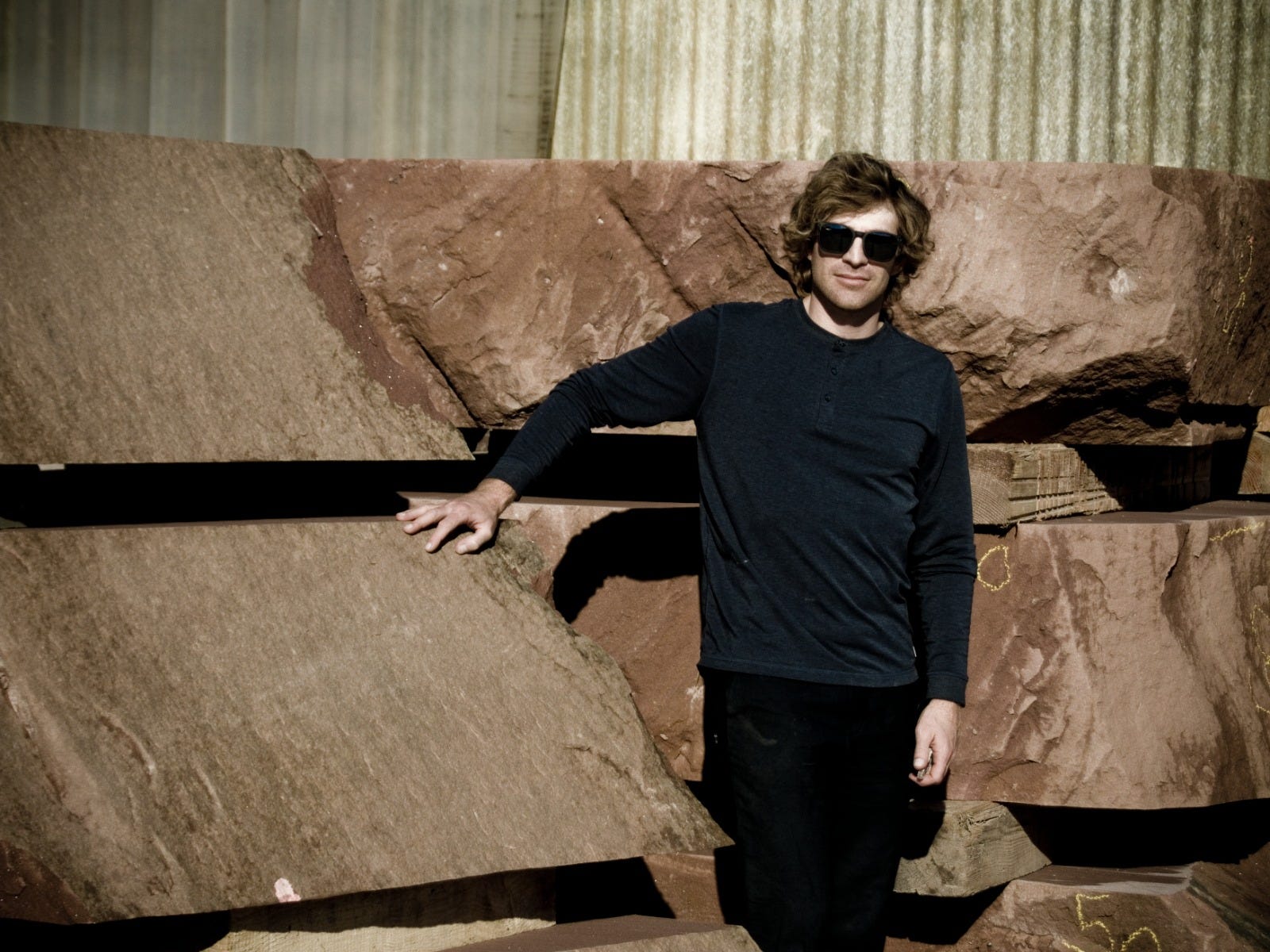
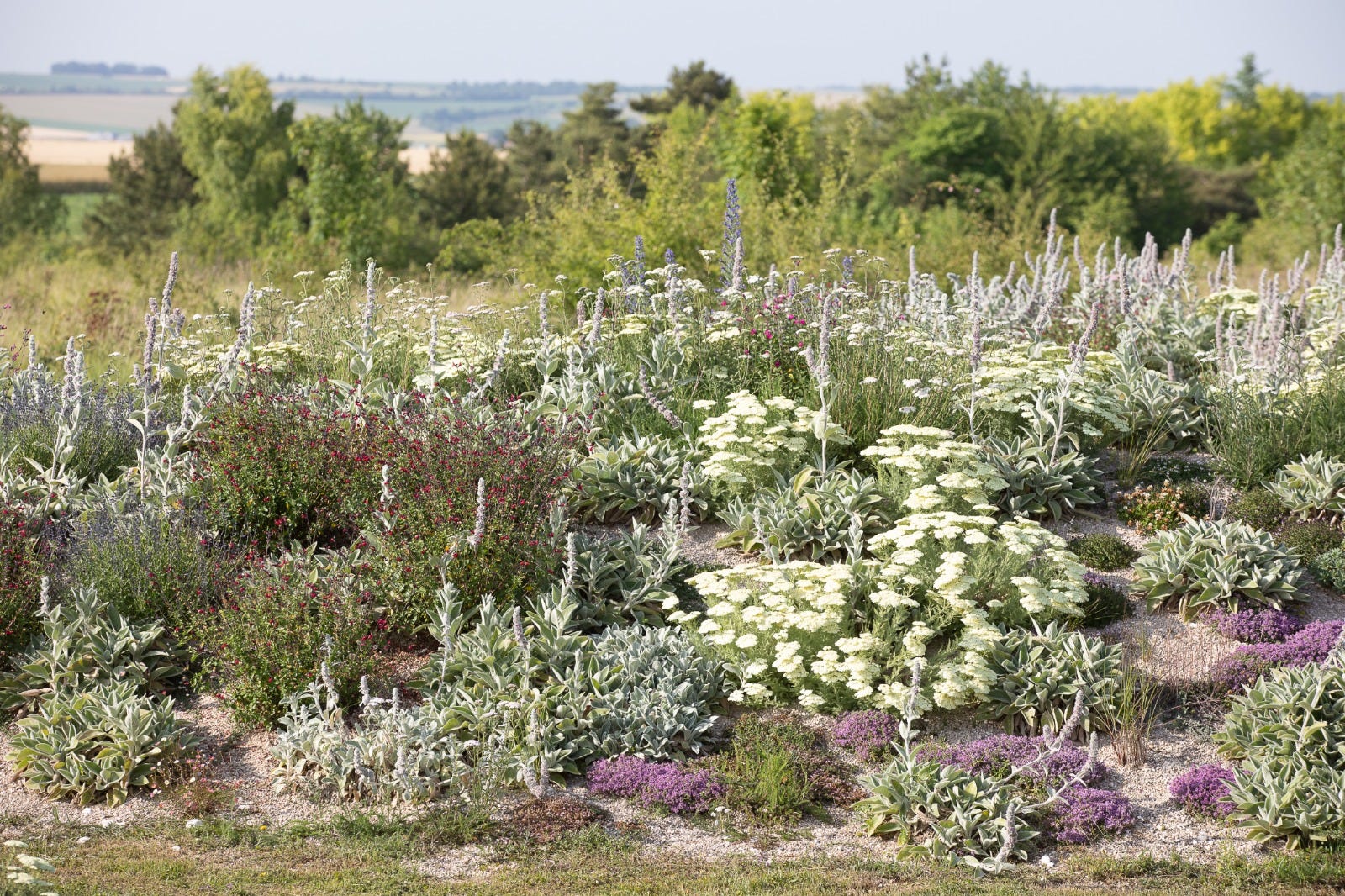
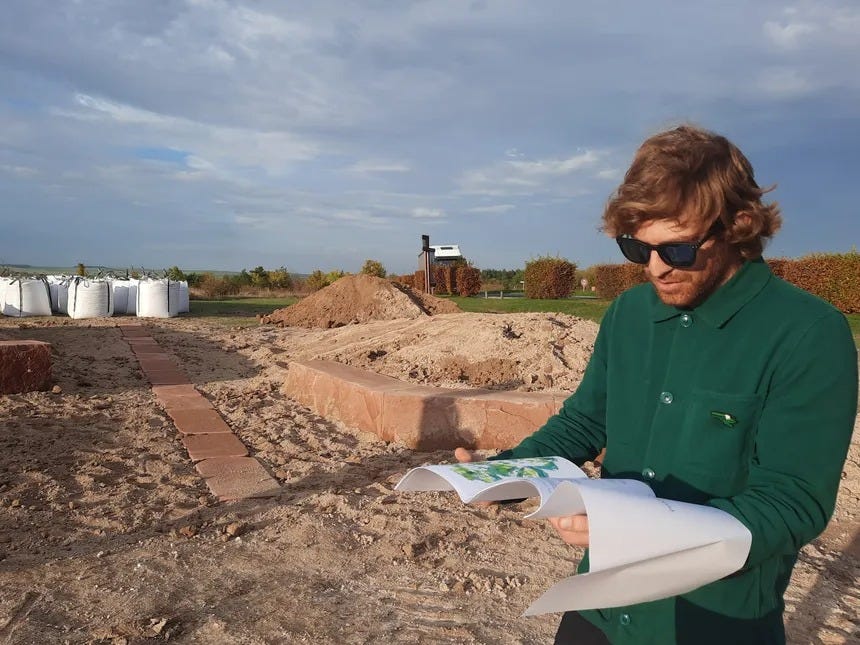
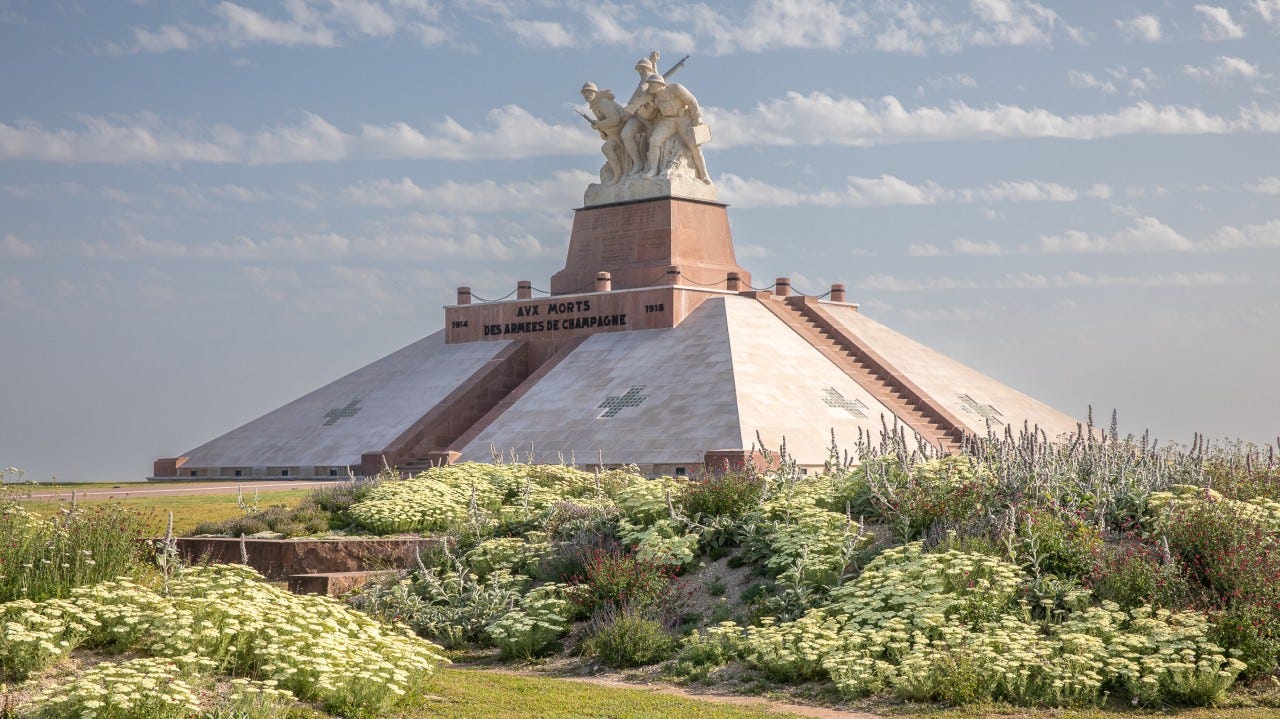
I’m always impressed by Americans in France who find themselves pursuing unconventional career paths or deepening their expertise, disconnected from the corporate world. David Simonson is on such American. A California-born landscape architect and garden designer (or, as the French would say, paysagiste), very much in love with a French woman, he landed in Paris more than fifteen years ago with a landscape degree in hand and the swift realization that he’d need to start over. That was hardly a significant setback. He launched his own studio in 2015 and has subsequently worked across Europe and the Mediterranean, winning numerous prizes, notably at the Chaumont-sur-Loire and the Côte d'Azur Festival competitions.
Where was the last place you lived in the U.S.?
On the corner of Haight and Ashbury in San Francisco. Janis Joplin had lived in the same apartment at one point, which gave it a certain mythology. I shared it with an older gay man named Larry, who had moved in back in 1972. He was full of stories, many of which began with, “This guy I knew…” and often ended with the reminder that the person had passed away. Having lived through that era in San Francisco, and having escaped the worst of the AIDS crisis that devastated so many around him, he carried a remarkable memory of a vanished world.
Did you intend to leave permanently or was the move temporary?
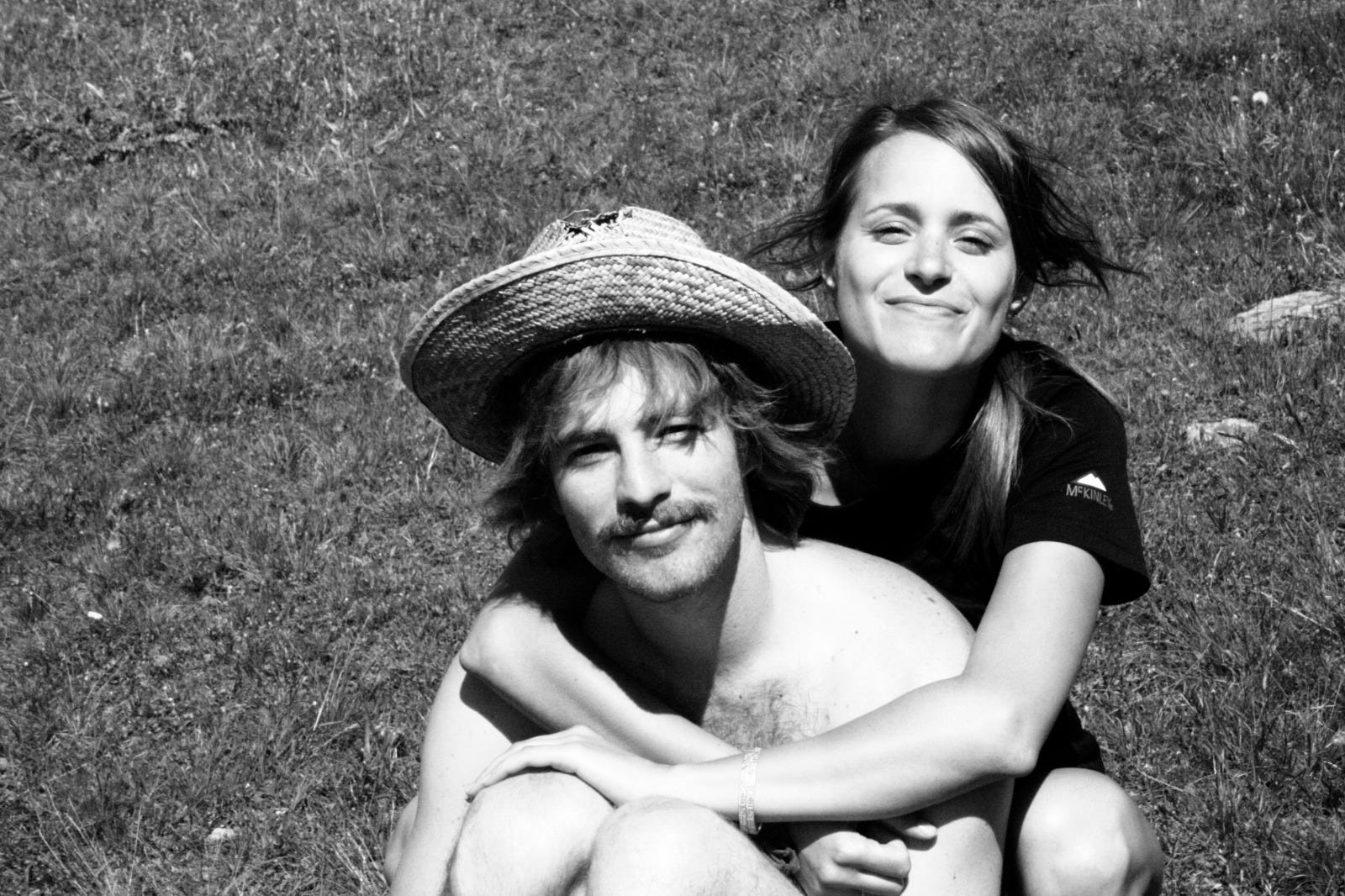
I met a French tourist while living on Haight and Ashbury and found her irresistible. I did not plan on coming back to the U.S. I moved to Paris with everything I owned packed into two suitcases, along with some fishing poles and a skateboard. I told myself I could always head back if France didn’t work out.
Was there a pivotal moment when you knew your life would be best pursued elsewhere?
I graduated in 2008, at what felt like one of the worst possible moments to be looking for work in America. Even with a five-year degree in landscape architecture, I was working at a chocolate shop. Around that time, one of my mentors told me to get out of the States and go to Europe, even if it meant sweeping the streets just to get started. That advice hit me hard. I also think I had always known, on some level, that the less conventional path was the one that suited me best.
What sort of financial consideration did the move require, even if as a student initially? Does one need a plump savings account to make this work?
I arrived in France with only $1,200 in my account, so I was definitely not operating with a large financial cushion. I was going with the flow more than anything else. Fortunately, I found a small job at Rose Bakery for a few months before landing a gardening job with a landscaping company in Saint-Germain-en-Laye. In the end, drive and a willingness to start wherever you can will go a long way.
At what age did you leave? Looking back, was that too soon or too late?
I was 27 and very much in love with my French girlfriend. I can be impulsive, but there was a real connection between us, and I chose to trust my instincts rather than logic or caution. Looking back, the timing felt right. I had just graduated from Cal Poly with a degree in landscape architecture, so studying French at the Alliance Française and the Sorbonne felt like a natural extension of my education. Later, I went on to earn a second degree in garden design in Versailles, so, in hindsight, the move became the foundation for my future as a landscape architect in France. The transition was much more demanding than I had imagined, but it was necessary in order to build a lasting life for myself in this country.
When did you know you'd made the right [or wrong] call?
Definitely no regrets. I felt I had made the right call when I was accepted to the École Nationale Supérieure de Paysage in Versailles. That really confirmed for me that I was in the right place and that things could work out in France as a landscape architect. Being able to study garden design was the perfect complement to my earlier training in California. The cherry on top was winning the competition at the International Garden Festival of Chaumont-sur-Loire in my graduating year.
What does Paris offer you that your native home couldn’t and, perhaps, still can’t?
I grew up in Encinitas, a small coastal town in Southern California. I still love my hometown—its beaches and its desert landscapes—but Paris has given me access to a depth of culture, food, art, and historic landscapes that has been incredibly enriching and deeply satisfying. It has also opened the door to creating gardens in France, across Europe, and internationally, which has been a real advantage as a native English speaker. Just as importantly, raising a family in France feels like a gift. I find the French way of life more balanced than the American one, and I feel fortunate to be bringing up my children in a democratic country that still places real value on liberty, equality, and fraternity.
Can you share any anecdotes about your highest and lowest moments in Paris?
My lowest moment was probably having my application to the landscape design school in Versailles rejected twice. It finally went through on the third attempt, and luckily, I’ve always been stubborn and persistent. In a full-circle twist, I now teach at the university and have done so for several years, alongside running my own garden company. My highest moment was, without question, the birth of my children.
Are there aspects of American life that you long for?
I miss the waves in Encinitas, though I still make it to the ocean whenever I can. I also miss speaking English and spending time with my old friends in California, whom I usually see during my summer vacation. That said, I’ve been lucky to build a small community of American friends in Paris, which has helped me keep that connection alive.
What book or movie do you most associate with the American experience abroad?
